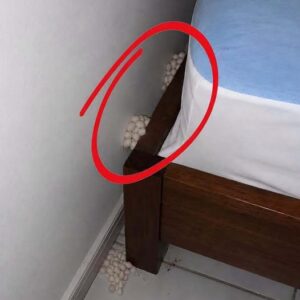
Finding a slug inside your home can be surprisingly unsettling. You might spot one crossing the kitchen, bathroom, hallway, basement, or garage and immediately wonder how it got there. Slugs normally live outdoors in gardens and damp soil, but thiy can enter through surprisingly small openings around doors, windows, foundations, pipes, and crawl spaces. A single slug usually isn’t a serious problem, but repeated sightings can tell you something about your home.
Slugs need cool, damp conditions because their soft bodies lose moisture quickly. Rain, wet leaves, thick mulch, shaded gardens, poor drainage, and standing water can create ideal conditions around a house. After rainfall, slugs become especially active because wet surfaces make it easier for them to move. One found indoors after heavy rain may simply have followed a damp route inside.
Where you find the slug can provide clues. One near an exterior door may have slipped underneath a gap, while one in a basement could be connected to moisture around the foundation or crawl space. Finding one in the kitchen or bathroom doesn’t automatically mean you have a leak, but it’s worth checking beneath sinks, around pipes, cabinets, windows, and floor-level openings.
Finding a slug inside your home can be surprisingly unsettling. You might spot one crossing the kitchen, bathroom, hallway, basement, or garage and immediately wonder how it got there. Slugs normally live outdoors in gardens and damp soil, but they can enter through surprisingly small openings around doors, windows, foundations, pipes, and crawl spaces. A single slug usually isn’t a serious problem, but repeated sightings can tell you something about your home.
Slugs need cool, damp conditions because their soft bodies lose moisture quickly. Rain, wet leaves, thick mulch, shaded gardens, poor drainage, and standing water can create ideal conditions around a house. After rainfall, slugs become especially active because wet surfaces make it easier for them to move. One found indoors after heavy rain may simply have followed a damp route inside.
Where you find the slug can provide clues. One near an exterior door may have slipped underneath a gap, while one in a basement could be connected to moisture around the foundation or crawl space. Finding one in the kitchen or bathroom doesn’t automatically mean you have a leak, but it’s worth checking beneath sinks, around pipes, cabinets, windows, and floor-level openings.