My boss fired me on a Tuesday at 4:47 in the afternoon, and the room went quiet in that particular corporate way where everyone present pretends a human being is actually a scheduling problem being resolved. Derek Vaughn leaned back in his chair with practiced ease, signaling that firing people was routine. The HR representative, Nina Brooks, avoided eye contact while sliding paperwork across the table, and Derek dismissed me as “incompetent” for pushing back in meetings. Over the past six months, his leadership had led to poor decisions—cutting quality assurance, forcing risky supplier changes, and ignoring engineering concerns—while blaming others when problems surfaced. I refused to sign anything, calmly accepted being fired, and walked out without giving him the reaction he expected.
As I left, I reflected on what Derek didn’t understand: I had never needed my job title to matter. A reminder popped up for the upcoming shareholder meeting, and I realized the situation was about to shift. Harborstone Components, founded by my grandfather, was largely owned by Wrenfield Capital Trust—and I was the controlling trustee, holding ninety percent of the voting shares. While Derek had memorized the organizational chart, he had never examined the deeper governance documents. He didn’t know that Elena Mercer, the employee he had just fired, was also Elena Mercer Wren, the person with ultimate authority over the company.
I had spent three years working quietly within the company, learning operations from the ground up as my grandfather intended. He believed ownership required understanding the work, not just holding power. When Derek arrived and began prioritizing speed and margins over quality and stability, I watched the damage build—rising defects, ignored warnings, and manipulated reporting. After being fired, I began preparing carefully. With the help of legal counsel Mara Levin and corporate secretary Harold Pierce, I gathered documentation showing a clear pattern of mismanagement. Even Nina from HR reached out, admitting Derek had tried to fabricate performance concerns to justify my dismissal.
By the time Thursday’s shareholder meeting arrived, everything was in place. The board assembled, Derek confident as ever—until I walked in. When my full name was clarified and my role revealed as controlling trustee, the room shifted instantly. What had seemed like a routine power dynamic was overturned in seconds. Derek tried to maintain composure, but confusion replaced certainty. As legal confirmation was presented, it became clear that the situation was no longer about an employee being dismissed—it was about accountability, authority, and the consequences of leadership built on arrogance rather than understanding.

Related Posts

I seriously had no idea of this method.
If you’re looking for a simple, natural way to freshen the air in your home, a basic mixture of vinegar, salt, and water can be surprisingly effective….

Your Sleeping Position Determines How Lazy You Are
1.The “Arms Up” Sleeper: You lie on your back with your arms raised near your pillow. Lazy level: 3/10. You’re mentally active and open to challenges. You…
Which Side of the Fence Should Face Your Neighbor? Here’s What I Learned Before Building Mine
When I first decided to install a fence in my backyard, I thought the process would be straightforward. Pick a design, hire a contractor, and enjoy the…

Before You Throw Away This Common Backyard Plant, Watch Out For… Seee more
Goosegrass is a common plant often overlooked because it grows in many everyday environments, yet despite its humble appearance, it has been used in traditional practices for…
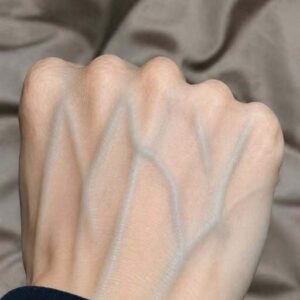
If your veins are visible in your hand, it is a signal
Visible veins are often harmless and can be related to normal factors such as aging, regular physical activity, or having low body fat. In these cases, veins…

Nail Salon Etiquette: How Much to Tip and When
Tipping at the nail salon isn’t “extra”—it’s everything. It can change how you’re treated, how your nails look, and whether your favorite tech stays or quietly disappears….