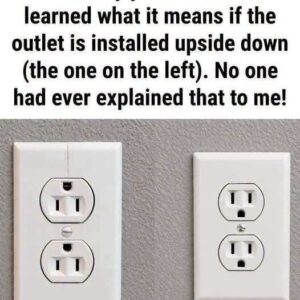
Engaging with visual brain teasers can be a fun way to challenge your mind and test how quickly your brain processes information. Optical illusions are especially fascinating because they demonstrate just how easily our visual perception can be influenced. What appears obvious at first glance may look completely different once you notice the details your brain initially overlooked.
Visual neuroscience researchers have long studied these illusions to better understand how the brain interprets the world around us. Susana Martinez-Conde, director of the Visual Neuroscience Laboratory at the Barrow Neurological Institute in Phoenix, Arizona, has discussed how visual illusions can provide valuable insights into the complicated processes involved in seeing and interpreting images.
Rather than simply being entertaining puzzles, optical illusions can reveal important information about how the brain processes shapes, colors, movement, depth, and patterns. Researchers can use these visual mysteries to explore how perception works under normal conditions and how certain visual processes may change when the brain is affected by neurological conditions.
That is what makes these puzzles so interesting: they can be both entertaining and educational. Solving a visual challenge encourages careful observation, attention, and flexible thinking, while the illusion itself offers a glimpse into the remarkable way the human brain constructs what we see. The next time an image seems impossible, remember that your eyes may be seeing it correctly—the trick may be happening inside your brain